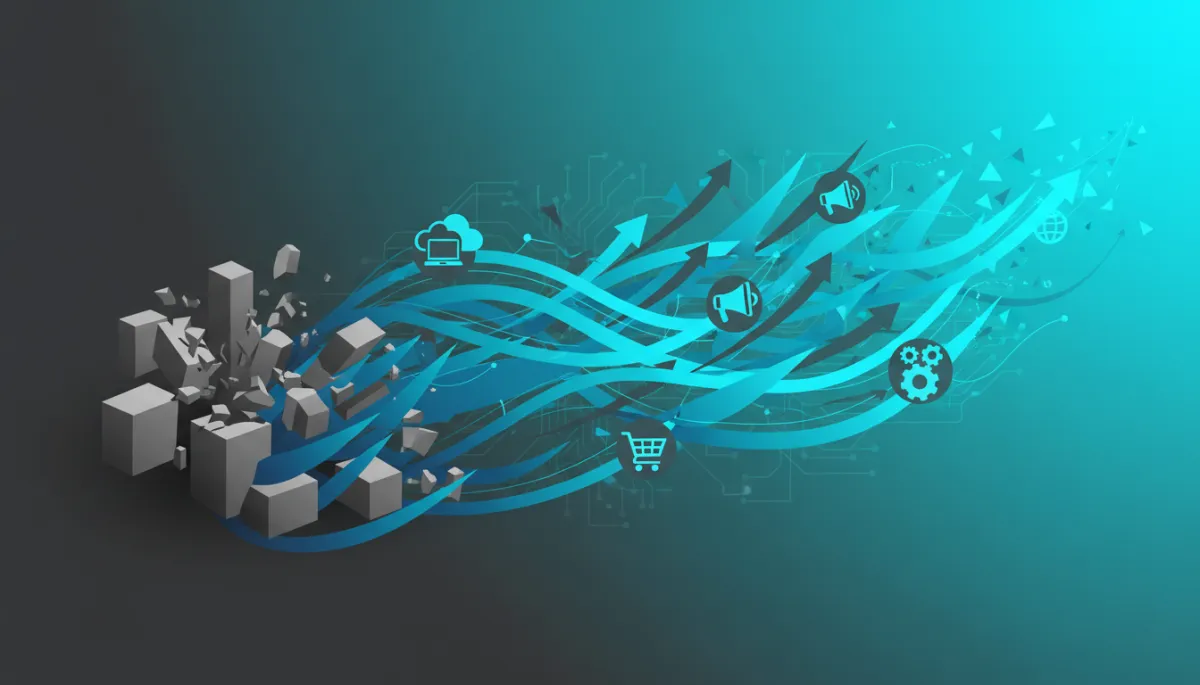
Adapt or Die: Navigating New Business Landscapes
Business Strategy, Digital Transformation, Small Business Growth
Why Your Business Must Adapt or Die: Understanding the New Business Landscape
I’ve spent more than 30 years helping small businesses survive recessions, industry shake‑ups, and aggressive competitors. But the shift we’re living through right now is different. This isn’t a seasonal dip or a tough year. The very rules of business have changed — and if you don’t adapt, your business will slowly, then suddenly, disappear.

The New Business Landscape: Your Customers Moved First
For decades, location, loyal regulars, and word of mouth were enough to keep many small businesses afloat. That era is over. Your customers now live on digital platforms — scrolling, comparing, reviewing, and buying in seconds. They expect convenience, transparency, and speed as standard, not as a bonus.
A local café isn’t just competing with the café down the street; it’s competing with delivery apps, subscription coffee services, and chains that know exactly how to reach customers on Instagram and Google. A trades business isn’t just on the high street; it’s being judged in real time by its online reviews and response times to digital enquiries. The battleground has shifted from shopfronts to screens — and your reputation travels faster than you do.
Four Technological Shifts You Can’t Ignore
You don’t need to become a tech company, but you do need to understand the tools that now shape how business is done. There are four trends I insist every client gets to grips with:
- Remote work: Talent is no longer limited to your postcode. The best people expect flexibility, video meetings, and cloud-based systems. If your business still runs on paper files and “pop into the office”, you’re already limiting who will work with you — and how efficiently they can perform.
- Digital marketing: Relying on the odd Facebook post or a dated website is not a strategy. You need a clear online presence: Google reviews, a modern website that builds trust, consistent social proof, and simple ways for people to contact and book you. Visibility online is now as important as your signage outside.
- E‑commerce: Whether you sell products or services, some part of your offer can be sold or booked online. I’ve seen small retailers double revenue simply by adding click‑and‑collect and basic online ordering. I’ve watched consultants fill their calendars with online booking links instead of endless back‑and‑forth emails.
- Automation: Repetitive tasks — follow‑up emails, review requests, appointment reminders, even basic onboarding — can and should be automated. One client of mine freed up a full day a week just by automating review requests and payment reminders. That’s time they now spend on higher‑value work and strategic growth.
The Real Cost of Standing Still
When owners tell me, “We’ve always done it this way,” I hear, “We’re comfortable losing ground.” Non‑adaptation doesn’t usually show up as a dramatic collapse. It shows up as a slow leak:
- Lost market share: A competitor appears with a cleaner website, faster response times, and better online reviews. New customers try them first. Existing customers quietly drift away because it’s simply easier to deal with the business that has adapted.
- Talent struggles: Younger staff, and increasingly experienced professionals, don’t want to fight outdated systems. If they can choose between a business that uses modern tools and one that doesn’t, they know which will make their workday smoother. You end up paying more to keep people who are less engaged and less effective.
- Revenue erosion: Margins shrink as you discount to keep customers, absorb inefficiencies, and miss opportunities that a more modern operation would capture automatically — from upsells to repeat bookings to referrals built through a strong online reputation.
Adaptation Isn’t Optional — But It Is Achievable
This isn’t about becoming the next tech unicorn. It’s about making sure your business is still here, profitable, and growing in three, five, and ten years’ time. The businesses I see winning today are not the biggest; they’re the ones willing to learn, test, and implement simple, modern systems.
Start with one step: upgrade your online presence, introduce one piece of automation, or enable customers to book or buy from you digitally. Measure the impact. Then build on it. Momentum is your ally here; once you see the gains, you’ll wonder why you waited so long.
I’ve helped hundreds of small businesses modernise without losing their soul — and I can tell you this with absolute certainty: the risk of adapting is far smaller than the risk of standing still. Your customers have already moved. Your competitors are catching up. The only real question is whether you’re ready to lead in this new landscape, or be remembered as a business that chose comfort over progress.
If you’re ready to adapt instead of slowly die, decide on your first digital move today — and take it. The future of your business depends on what you do next.