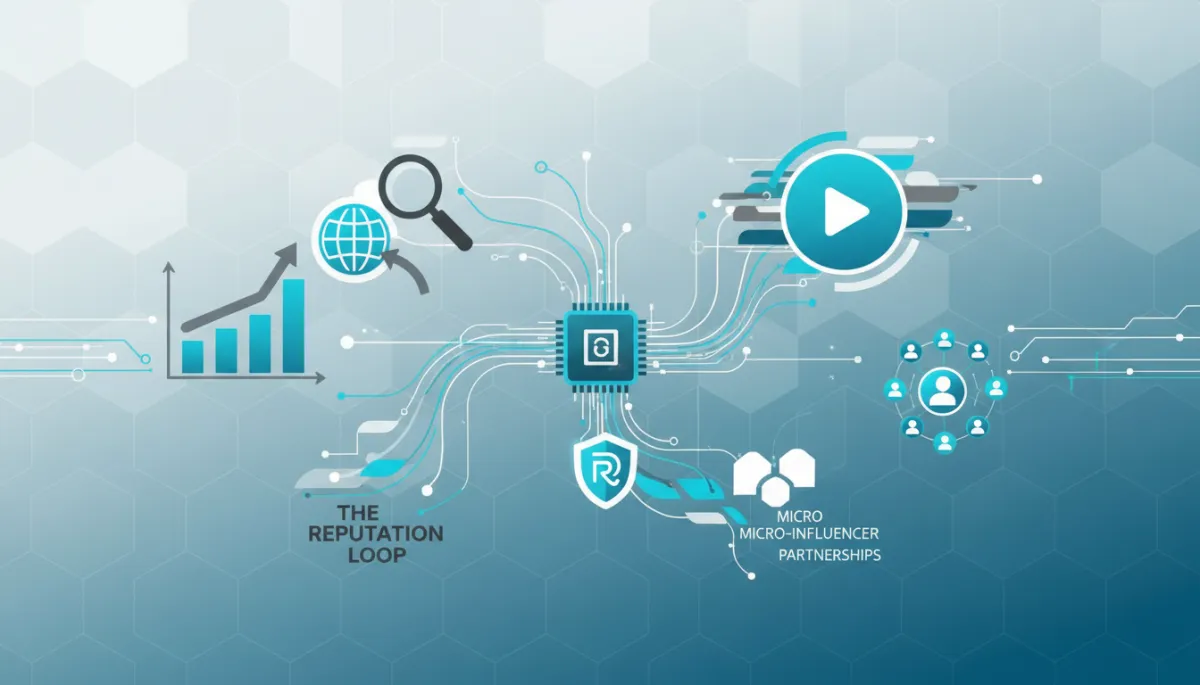
Top Digital Marketing Trends for Small Businesses 2026
Digital Marketing, Small Business Growth
Digital Marketing Innovations Every Small Business Needs in 2026
I have spent more than three decades watching small businesses win or lose based on how quickly they adapt. In 2026, the gap between those who modernise their marketing and those who do not is wider than I have ever seen. The good news: you no longer need a big-agency budget to compete. You do, however, need to embrace four key innovations that are now non-negotiable.

1. From Gut Feel to Data-Driven Decisions
For years, many owners told me, “Jay, I just know what works for my customers.” That instinct has value, but it is no longer enough. Your customers are clicking, scrolling, watching, and buying across multiple channels. Every one of those actions throws off data. The businesses winning in 2026 are the ones using that data to guide every marketing decision instead of guessing.
You do not need an enterprise data team. Start with three basics:
- Website analytics to see which pages attract visitors and which ones actually convert. Free tools still do this well if you set up goals and events properly.
- Marketing dashboards that pull in data from your email, ads, and social channels. Platforms like Supermetrics or simpler reporting tools can consolidate your numbers so you see trends instead of isolated stats.
- CRM and email platforms such as HubSpot, ActiveCampaign, or Brevo, which show you which messages actually lead to enquiries and sales rather than just opens and clicks.
2. Video and Visuals: The Internet’s Primary Language
By 2026, video is not a “nice to have”; it is how people prefer to learn, decide, and buy. Short-form clips dominate platforms like TikTok, Instagram Reels, and YouTube Shorts. Forbes and others are clear on this trend: video continues to outperform text and static images for attention, engagement, and conversion. Your customers would rather watch your story than read your brochure.
You might be thinking, “Jay, I do not have a studio or a film crew.” You do not need them. You need clarity and consistency:
- Use your smartphone, a quiet corner, and natural light. Authentic beats over-produced for most local and niche brands.
- Create simple formats: 30–60 second FAQs, quick tips, before-and-after stories, and short customer testimonials. Batch-record a month’s worth in one afternoon.
- Repurpose: turn one video into social posts, email content, and snippets for your website. One good video can fuel an entire week of marketing.
3. Micro‑Influencers: Big Trust, Small Price Tag
Influencer marketing has matured. The days of paying a celebrity to wave your product at a million strangers are fading. What works now is micro‑influencers – people with smaller, tightly focused audiences who genuinely trust them. Research shows brands are shifting budget toward these niche voices because they deliver higher engagement at lower cost.
As a small business, this plays to your strengths. Look for local creators, industry specialists, or community leaders with a few thousand highly engaged followers. Approach them with a clear, fair offer: free product, exclusive discounts for their audience, or a modest fee in exchange for honest content and trackable links. Focus less on follower count and more on whether their audience matches your best customers.
4. Building an Integrated Marketing Machine
The final innovation is not a tool; it is how you connect everything. In 2026, scattered tactics – a bit of Facebook here, a random email there – simply do not cut it. You need an integrated system where each channel supports the others and all activity is measured against the same goals.
- Define one or two clear outcomes: enquiries, bookings, or online sales. Every campaign must point to these.
- Map the journey: someone discovers you via a video or influencer, visits your site, joins your email list, and receives a simple automated nurture sequence from your CRM.
- Connect your tools so data flows: social insights feed your content plan, website behaviour informs your email segments, and your dashboards show which channels truly earn their keep.
When you do this well, your marketing stops feeling like a series of disconnected experiments and starts operating like a predictable, measurable growth engine. That is what I help clients build every day, and it is entirely achievable for a small business with the right focus.
Final Word: Modernise on Your Terms, But Do Not Wait
You do not need to chase every shiny new tool. You do need to commit to data-driven decisions, consistent video and visual content, strategic micro‑influencer partnerships, and an integrated approach that ties it all together. Start small, start simple, but start now. In 2026, standing still is the fastest way to fall behind.
SEO Title: Digital Marketing Innovations Every Small Business Needs in 2026 | The Reputation Loop
Meta Description: Business consultant Jay Walmsley shares four essential digital marketing innovations small businesses must adopt in 2026, from data-driven decisions and video content to micro‑influencers and integrated campaigns.