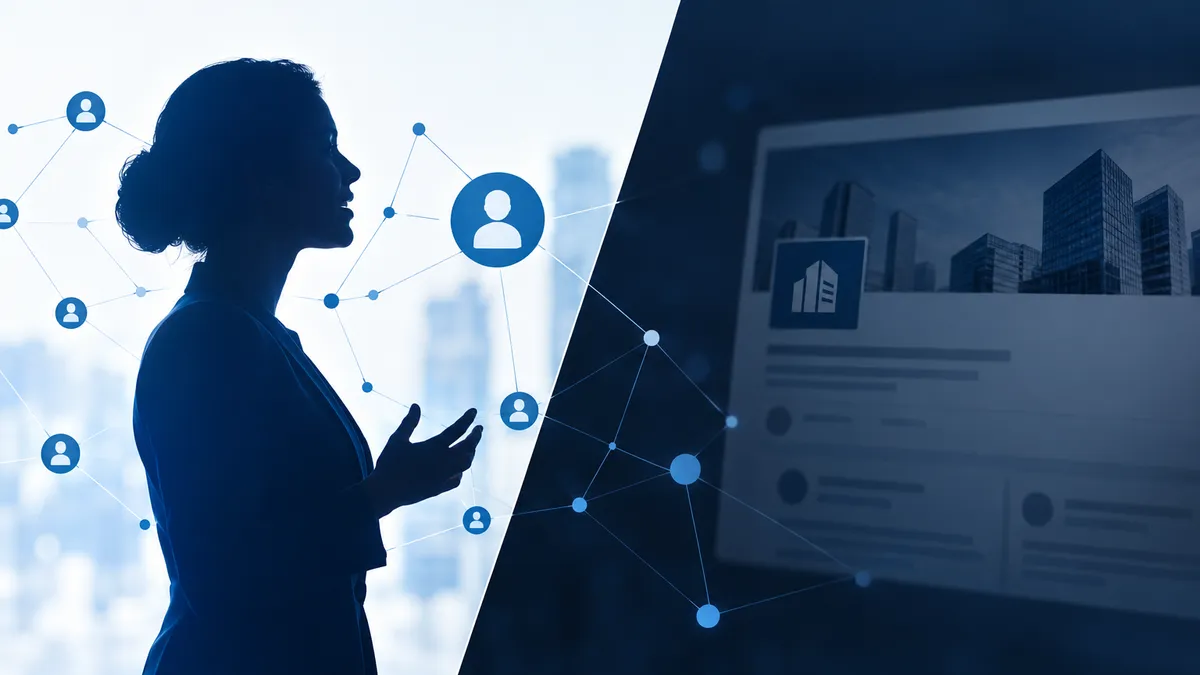
Why Your LinkedIn Company Page Has Almost No Reach in 2026 — and What to Do Instead
If you've noticed that your LinkedIn company page posts are getting a fraction of the views they used to, you're not imagining it. Following a major algorithm overhaul in March 2026, LinkedIn dramatically changed how it distributes content — and company pages came out on the losing end.
Understanding what changed, and why, is the first step to getting your visibility back.
What LinkedIn Changed in March 2026
LinkedIn's March 2026 update — often called the 'Authenticity Update' — rewrote the platform's distribution logic from the ground up. Network size no longer drives reach. Relevance does.
The update specifically targeted three things that had propped up company page performance for years: engagement bait tactics, legacy automation pods, and external link spam. All three were effectively penalised out of existence.
The result? Company page organic posts now represent approximately 2% of what appears in a typical LinkedIn user's feed. That's not a slight dip — it's a structural collapse.
The Personal Profile Advantage
While company pages have lost reach, personal profiles have gained it. Research tracking the shift shows that personal profiles now generate around five times more engagement than equivalent company page posts. In some industries, the gap is even wider.
The reason is straightforward. LinkedIn's algorithm is now built to surface individual professional voices — not brand broadcasts. It rewards content that generates genuine dwell time, saves, and contextual engagement. A well-written post from a real person sharing a real experience consistently outperforms a polished brand announcement.
The most successful B2B businesses in 2026 have adapted by treating their company page as a landing page — a place for trust verification, contact details, and credibility signalling — while shifting their actual content distribution to the personal profiles of their founders, directors, and team leads.
Why This Is Actually Good News
If this feels like bad news, consider the reframe: the platforms are now rewarding exactly what community-builders have always known. People connect with people.
Logos don't build trust. Conversations do. A company page posting generic industry news cannot earn the same credibility as a business owner sharing a specific lesson from a real client engagement this week. That specificity — the kind that only comes from genuine experience — is exactly what LinkedIn's algorithm is now designed to find and amplify.
For business owners who have been showing up consistently under their own name, sharing their genuine perspective, and engaging in real conversations, this update isn't a problem. It's a competitive advantage.
What to Do This Week
Here are four practical steps you can take right now:
1. Make your personal profile your primary posting channel.
Post from your own profile consistently. Be clear about the topics you cover so the algorithm learns what you're about and who to show your content to.
2. Share real experience, not generic advice.
The posts that perform best in 2026 are specific. Reference a real conversation you had, a problem you helped solve, or a lesson you learned. Generic business tips are exactly what the algorithm is trained to deprioritise.
3. Repurpose your company page as a credibility hub.
Keep it updated with your contact details, about section, and website link. When someone finds you through a personal post and clicks through, your company page should reinforce their confidence.
4. Engage before you broadcast.
Comment meaningfully on posts from your network before pushing your own content. LinkedIn rewards accounts that contribute to conversations, not just those that broadcast.
The Bigger Picture
The LinkedIn algorithm shift is a signal, not just a rule change. It reflects a broader move in how trust is built online. Audiences are increasingly sceptical of polished corporate content and responsive to genuine human voices.
Business owners who invest in their personal LinkedIn presence now — consistently, specifically, and with real intent — will be far better positioned as the platform continues to evolve. The question isn't whether to adapt. It's how quickly you start.
Ready to build a business reputation that earns trust online and offline? Book a conversation with Jay and let's talk about what's working right now.
Frequently Asked Questions
Should I abandon my LinkedIn company page entirely?
No. Keep your company page active and updated — it serves as a credibility hub when people look you up. But shift your active posting and community engagement to your personal profile.
What kind of content works best on LinkedIn in 2026?
Specific, experience-led posts that only you could have written. Think: a lesson from a client situation, a decision you made and why, or an observation from your industry that challenges conventional thinking.
How often should I post on my personal LinkedIn profile?
Consistency matters more than frequency. A smaller number of quality posts grounded in real experience will consistently outperform a high volume of generic content.
Does the March 2026 update affect all business types equally?
The reach collapse affects all company pages, but the personal profile advantage is especially strong for founders, consultants, professional service providers, and community leaders — anyone whose credibility is tied to their individual voice and expertise.