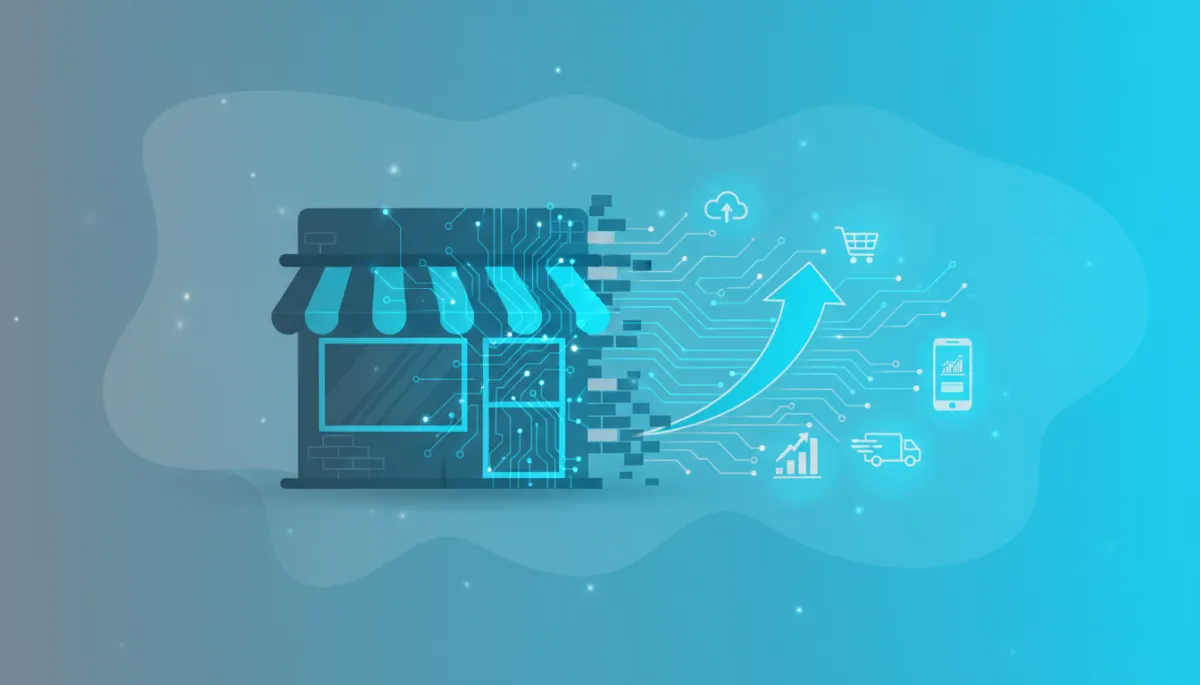
Thriving Retail: E-Commerce Solutions for Growth
Retail, E-Commerce, Small Business Growth
How Traditional Retailers Can Thrive with E-Commerce Solutions
I’ve spent more than 30 years helping small businesses modernise, and I can tell you this with confidence: traditional retail isn’t dying, it’s transforming. The shops that thrive are the ones that blend their local strengths with smart e-commerce solutions. In today’s market, that means an online presence isn’t a “nice to have” anymore — it’s mandatory.
Traditional Retail Isn’t Over — It’s Evolving
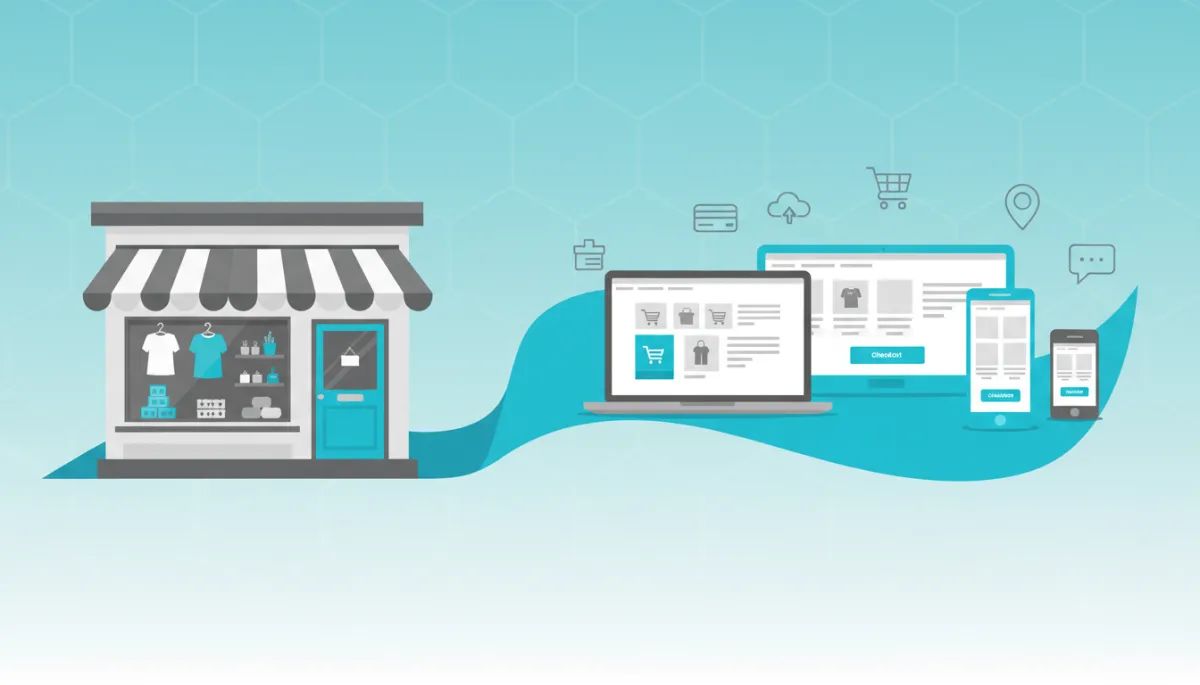
Customers still value personal service, the ability to touch products, and trusted local relationships. What’s changed is how they discover you and how they expect to buy. They research on Google, browse on their phones, compare prices online, then decide whether to visit your store, order for delivery, or click-and-collect. If you’re invisible online, you’re effectively invisible to a big slice of your market.
The goal isn’t to abandon your shop; it’s to extend it. Think of e-commerce as a second storefront that’s open 24/7, working alongside your physical space rather than replacing it. When you approach it this way, the shift feels far less overwhelming and much more like a natural next step.
A Practical Roadmap for Going Online
- Clarify your objective. Do you want to increase local footfall, ship nationwide, or simply offer convenient re-orders to existing customers? Your goal will guide every decision that follows.
- Start with a focused product range. You don’t need your entire shop online on day one. Begin with your bestsellers or most profitable lines, prove the process, then expand.
- Get the foundations right. Secure a domain name, set up professional email, and make sure your Google Business Profile, opening hours, and contact details are accurate and consistent everywhere.
- Build, test, then promote. Launch a simple, clean online store, test the full journey yourself (browse, add to cart, pay, receive confirmation), then start telling your existing customers about it with in-store signage, email, and social media.
Choosing the Right E-Commerce Platform for Your Store
The “best” platform is the one that fits your business, your budget, and your comfort level with technology. Here’s how I suggest you decide:
- Micro retailers and solo owners: Hosted, all-in-one platforms (like Shopify or Squarespace Commerce) are usually ideal. They handle hosting, security, and updates for you.
- Established stores with complex catalogues: Consider platforms with strong inventory features and integrations with your POS or accounting systems. You want data flowing automatically, not endless manual entry.
- Local, service-heavy businesses: Look for booking options, click-and-collect, and the ability to showcase expertise through blogs, guides, or video.
Product Listings That Actually Sell
In-store, you can talk customers through the benefits. Online, your product listings have to do that job for you. A few focused improvements can dramatically boost discoverability and conversions:
- Use clear, descriptive titles that include what the item is, the key feature, and sometimes the main use case (for example, “Leather Laptop Bag – 15 inch, Business Travel”).
- Write benefit-led descriptions. Don’t just list features; explain how the product makes life easier, more comfortable, or more enjoyable.
- Add high-quality, consistent photos from multiple angles, with simple backgrounds that match your brand colours — in your case, accents of cyan blue and grey can look very professional.
- Include sizing, materials, care instructions, and delivery details to reduce uncertainty and returns.
Let Automation Carry the Operational Load
The biggest fear I hear is, “I’m already busy — how will I manage an online store as well?” This is where automation earns its keep. Modern e-commerce tools can:
- Sync stock levels between your till and your website so you don’t oversell.
- Send order confirmations, shipping updates, and review requests automatically, keeping customers informed without extra admin.
- Generate picking lists, labels, and basic reports so you can see what’s selling and where to focus.
Start small: automate one repetitive task at a time. Within a few months, you’ll find your online operation running smoothly in the background while you do what you do best — serving customers and growing your business.
Final Thought: You’re Closer Than You Think
You don’t need to become a tech expert to succeed online. You simply need a clear plan, the right tools, and the willingness to take the first step. Your experience, reputation, and loyal customers are powerful assets — e-commerce just gives them a bigger stage. And that’s exactly where traditional retailers like you deserve to be.
SEO Title: How Traditional Retailers Can Thrive with E-Commerce Solutions | The Reputation Loop
SEO Description: Business consultant Jay Walmsley shares a practical roadmap to help traditional retailers modernise with e-commerce, choose the right platform, optimise product listings, and use automation to grow with confidence.